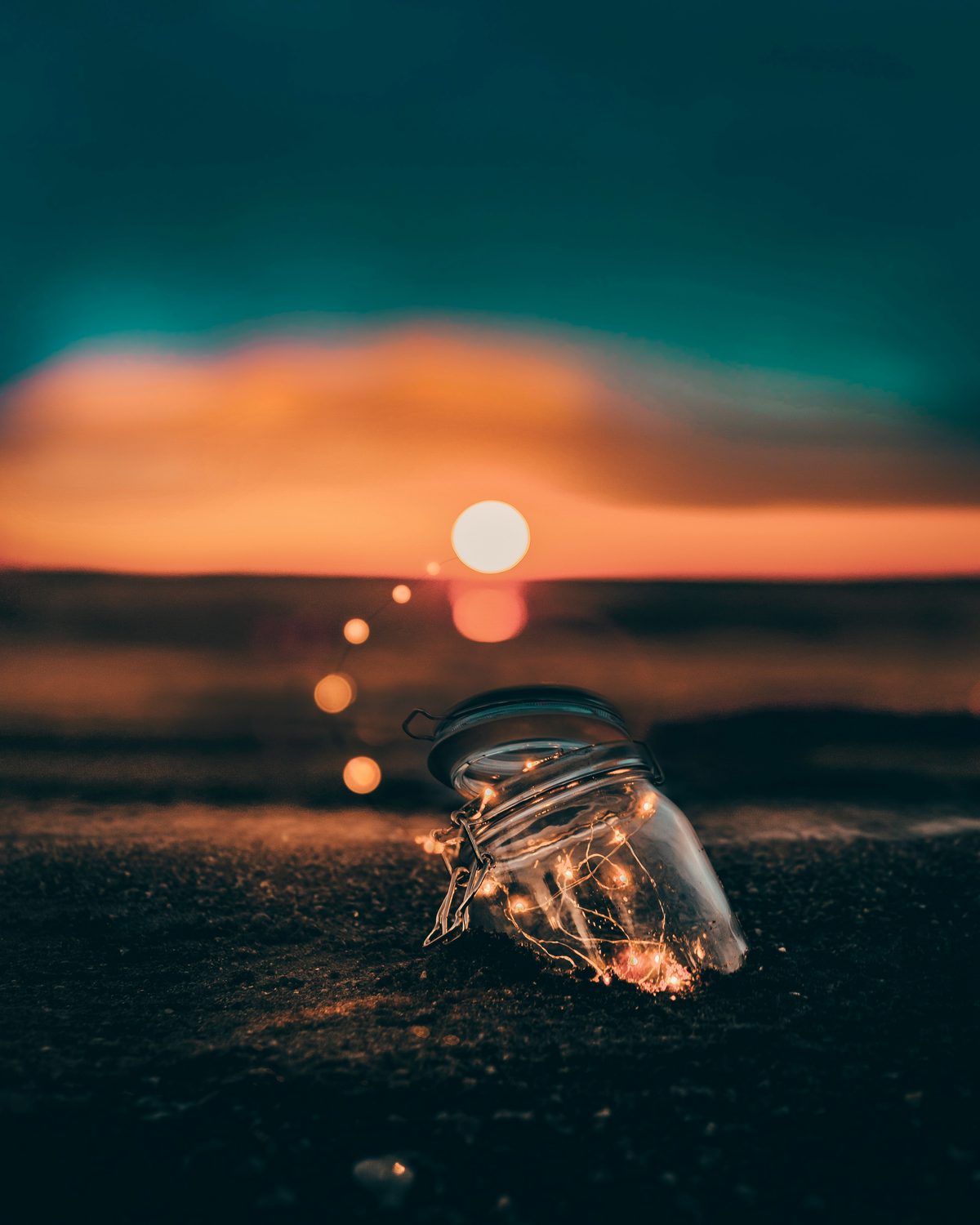
If you’ve spent any time around witchy or cottagecore spaces online, you’ve probably seen a jar of water sitting on a windowsill, glowing faintly in the moonlight, captioned something like “charging tonight.” That’s moon water — one of the simplest, lowest-cost rituals in modern witchcraft, and a genuinely lovely way to mark the moon’s phases without any special tools.
Here’s what it actually is, how to make it, and what to do with it once you have it.
What Is Moon Water?
At its most basic, moon water is just water that’s been left outside (or on a windowsill) under moonlight to “charge” or absorb the energy of that particular lunar phase. It’s a practice with roots in folk magic and modern witchcraft alike, and it shows up across a lot of different traditions in slightly different forms — but the core idea is always the same: water, moonlight, intention.
You don’t need it to be a full moon specifically, though that’s the most popular time to make it. Some practitioners make water under every phase — new moon water for beginnings, full moon water for completion, waning moon water for release — and use each for different purposes.
How to Make Moon Water, Step by Step
1. Choose a clean, clear container. A glass jar or bowl works best — clear glass lets the moonlight actually reach the water, and glass won’t leach anything into it the way some plastics can. Wash it well before you start.
2. Fill it with water. Plain filtered or drinking water is the standard choice, especially if you plan to eventually drink it or use it on your skin. Tap water works fine for water that’s just for the room or altar.
3. Set it somewhere it’ll catch moonlight. A windowsill, porch, patio, or yard all work. It doesn’t need direct, uninterrupted moonlight all night — even partial or intermittent moonlight is considered enough by most practitioners. If you’re making water for a specific phase (like the Buck Moon or another full moon), aim to set it out after moonrise.
4. Leave it to charge. There’s no single correct amount of time. Some people leave it out for just a few hours, others overnight, and some leave it out until sunrise the next morning so it “charges” all night. Whatever feels intentional to you is the right amount.
5. Bring it in before or shortly after sunrise. Once the sun comes up, most practitioners consider the water fully charged and bring it inside to store or use.
What to Use Moon Water For
Moon water shows up in a lot of small, everyday ways rather than one big ritual. Some of the most common uses:
- Watering plants — a simple way to bring lunar energy into your garden or houseplants
- Cleansing a space — a few drops sprinkled around a room or doorway, similar to how some people use salt or smoke for cleansing
- Anointing candles or tools — a dab on a candle before lighting it, or on an altar tool before use
- Adding to a bath — a splash in bathwater as part of a self-care or intention-setting ritual
- Journaling companion — simply having it nearby while you write down intentions or reflections tied to that moon phase
If you plan to drink moon water or put it on your skin, make sure you’re using clean, filtered water in a food-safe container, and don’t leave it sitting around for more than a few days before using it — it’s still just water, and it can grow bacteria like any standing water left out.
Does the Moon Phase Matter?
Loosely, yes — at least symbolically. A common (though informal) breakdown looks like this:
- New moon water — associated with new beginnings, intention-setting, fresh starts
- Waxing moon water — associated with growth, building momentum
- Full moon water — associated with completion, abundance, and manifestation at its peak
- Waning moon water — associated with release, letting go, clearing things out
None of this is a hard rule — it’s more of a loose framework that a lot of modern witchy practice borrows from, and different traditions and practitioners describe it slightly differently. Use whichever version resonates, or skip the framework entirely and just make water when a particular moon catches your attention.
A Simple Moon Water Ritual
If you want a little more structure:
- Clean your jar and fill it with water.
- Hold it for a moment and think about what this moon phase means to you right now.
- Set it outside or on a windowsill where it’ll catch moonlight.
- Leave it overnight.
- Bring it in the next morning, and use it however feels right — plants, a bath, a candle, or just keep it on your altar or windowsill as a small reminder of that moon.
A Note on Keeping It Simple
Moon water is a good example of how witchy, cottagecore practice doesn’t need to be complicated or expensive to feel meaningful. A jar, some water, and a windowsill are genuinely all it takes — the ritual is in the noticing, not in the props.
Want more low-effort, high-atmosphere witchy home rituals? Follow along on Pinterest for full moon rituals, moon water, moon phase guides, and cozy witchy inspiration all year round.
Sources: